
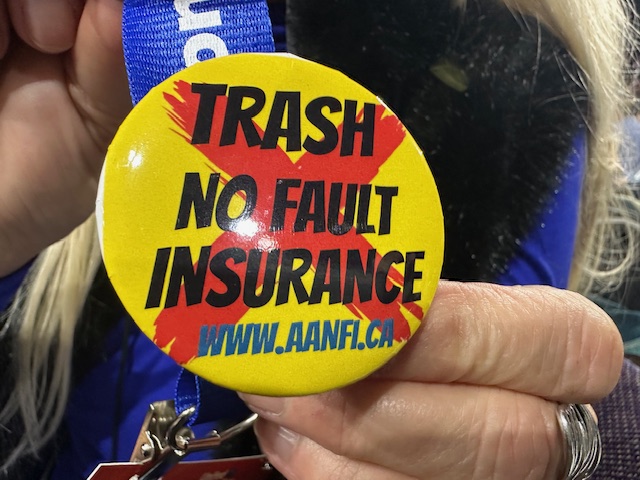
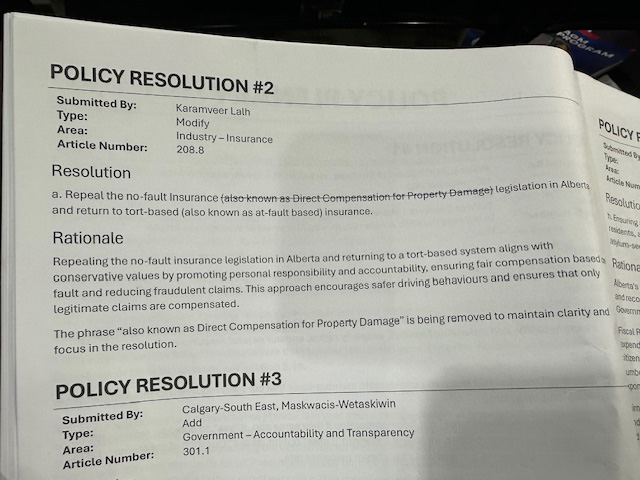
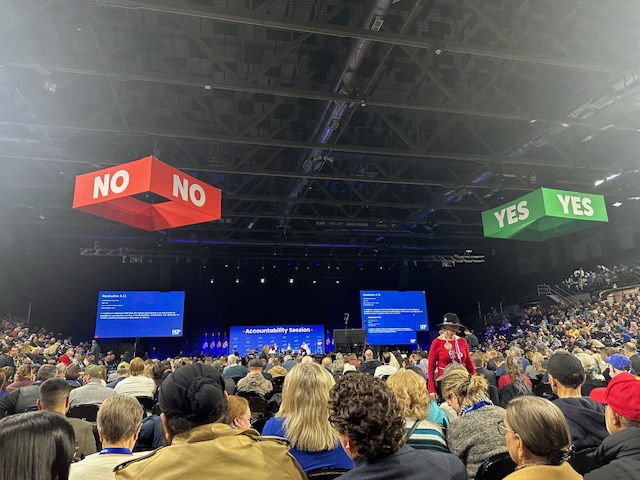
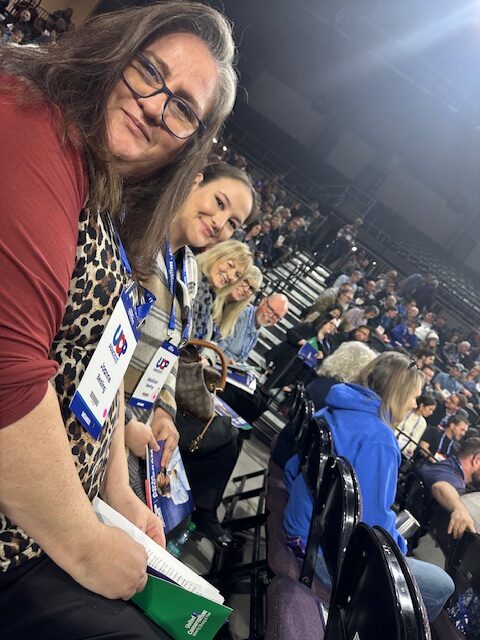
On Saturday, November 28, 2025, over 4000 UCP members attended at the Edmonton Expo Centre. The second policy on the agenda, was overwhelmingly rejected, when the majority of attendees rejected voted “yes” to repeal the no-fault insurance legislation in Alberta and return to tort-based, (also known as at-fault based) insurance.
For families already reeling from serious collisions, the vote felt like a “lifeline” – not a cure, but proof that their right to hold a negligent driver accountable – still matters. Newswire+1
The party vote is not binding but it rather, political pressure, not a legal change by itself. As of today, Alberta is still on track to shift to a “no-fault” framework on January 1, 2027, unless the government amends, or repeals the legislation and draft regulations released earlier this fall. In other words, the rules that decide how you are compensated, after a crash, could still change on a fixed timeline, and the AGM vote—while loud—does not stop that clock by itself. GlobeNewswire+1
No-Fault vs. At-Fault: What Changes for an Injured Person?
Under Alberta’s current at-fault system, the innocent driver can pursue full compensation from the at-fault party – including pain and suffering, income loss, and future care – through our courts – if needed.
No-fault flips that dynamic. Your own insurer pays “set benefits” regardless of who caused the crash. Lawsuits for pain and suffering, largely disappear, unless strict thresholds are met, and compensation is guided by regulation, rather than a judge hearing your individual story. Recent Alberta drafts even contemplate a fixed-amount schedule for permanent injuries – the “meat chart” – that assigns dollar values to specific impairments instead of weighing your unique losses. KMSC Law LLP+2CityNews Calgary+2
If you are thinking, “So I’d get something faster, but less tailored to my actual life,” that’s the essential trade-off. Critics warn no-fault narrows the right to challenge an insurer’s decision in an impartial court – exactly the right many UCP members just rallied to protect. National Magazine
A Preventable Crash, Two Very Different Outcomes
Picture a winter evening on Deerfoot. A delivery van hydroplanes on black ice and slams into a small SUV. The passenger sustains a traumatic brain injury: months of cognitive fog, light sensitivity, and headaches that make computer work impossible. A delayed MRI confirms diffuse axonal injury. The family rents a wheelchair, buys blackout curtains, and the spouse burns vacation days shuttling him/her to therapy.
In an at-fault system, the passenger can claim not only treatment costs, but also wage loss, future earning capacity. If the insurer undervalues those losses, a judge can listen, weigh medical evidence, and award fair damages.
In a no-fault system, benefits are largely “pre-determined.” If a regulation lists a fixed amount for “moderate cognitive impairment,” that figure may not track months of missed mortgage payments, or the cost of a neuro-optometrist, who is not in the insurer’s network. Disputes shift to administrative channels with limited court oversight. KMSC Law LLP+1
Serious injuries don’t stop at the hospital doors. People tell us about:
- Financial strain: missed income, therapy co-pays, adaptive devices, and vehicle modifications that can run five figures – even before a case resolves.
- Emotional wear: sleep disruption, irritability from chronic pain, the fog of paperwork and insurer deadlines.
- Caregiver burnout: spouses juggling work, childcare, and appointments while trying to keep the household afloat.
That’s why the ability to present your full story – to a real decision-maker who can weigh your facts – matters. UCP Party members’ rejection of no-fault legislation, signals public support for preserving that path, but until the law is changed, families still need to act quickly and protect their claims under the current rules. Newswire+1
Practical Steps If You’re Hurt in a Crash Right Now
- Get medical care immediately, even if you “feel okay.” Early records tie symptoms to the collision and catch injuries that often surface late, like concussions or internal injuries.
- Document everything. Photos of the scene, visible injuries, dashcam clips, witness names, and a police file number form the backbone of any claim – whatever insurance model is in force.
- Report the collision to your insurer but stick to facts. Avoid speculating about fault or signing medical authorizations you don’t understand before speaking with counsel.
- Keep a daily symptom and expense log. Track headaches, missed shifts, out-of-pocket costs, and how injuries change your routine; these details make invisible losses visible.
- Get advice before talking to adjusters about settlement. Quick offers often miss future care, income loss, and the true toll of traumatic injuries.
If your vehicle damage claim goes through your own insurer under Alberta’s Direct Compensation for Property Damage (DCPD) rules, remember DCPD only addresses vehicle damage—not your injury case. Injury claims remain their own track with distinct timelines and proof requirements. Alberta.ca
What the AGM Vote Means for the Months Ahead
Political signal: The party base has put clear pressure on the provincial government to protect court access and rethink the “Care First” model. Newswire+1
Legal status: Draft regulations and a 2027 implementation target are still on the books unless the government formally changes course. Don’t assume the system will stay the same—watch for updates and get tailored advice early in your recovery. GlobeNewswire+1
Your case today: Alberta remains functionally at-fault for injury claims right now. That means evidence, medical documentation, and timely legal guidance are still the levers that protect your future. Weir Bowen LLP
Whether Alberta remains at-fault, or moves to no-fault, serious injury cases turn on meticulous proof: prompt assessment, accurate diagnosis, and a paper trail that connects your treatment and losses to the crash. A seasoned plaintiff-side team coordinates with your doctors, preserves time-sensitive evidence, and pushes back if an insurer under-values what you’ve lost—through negotiation, and, when necessary, in court.


Pipella Law has helped injured Albertans for over 60 years. We work on a contingency basis –no fees until you win – so you can focus on care while we focus on compensation.
If the policy landscape changes again in the coming weeks, we’ll adapt strategy to the law in force on your case date and fight for the full measure of your losses – medical, wage, and human.
Contact Us for a Free Consultation Today
No Legal Fees Unless You Are Compensated.
If you or a loved one have been involved in a motor vehicle accident, you know how devastating the consequences can be. That's why having an experienced personal injury lawyer on your side is crucial to help you navigate the legal system and obtain the compensation you need to cover your medical bills, lost wages, and long-term care in Alberta.
At Pipella Law, we understand the challenges you are facing, and we are here to help. Our team of dedicated car accident lawyers in Calgary will conduct a complete investigation of your case and work with leading consultants to build a strong case on your behalf.
Contact us today to schedule a free consultation and learn more about how we can help you get the compensation you deserve.